Why Does My Fireplace or Chimney Smell?

Fireplace Odors in Tulsa-Area Homes
Finding the Source of Chimney Smells
A fireplace or chimney smell usually comes from creosote buildup, moisture, animal debris, or negative air pressure. The odor is often worst in summer when heat and humidity react with creosote inside the flue. However, the underlying cause is often the same year-round. Here is how to figure out what is causing the smell in your Owasso or Tulsa home.
Why Does My Fireplace or Chimney Smell? The Short Answer
The smell comes from something inside the chimney. That something could be creosote, decaying leaves, animal waste, or trapped moisture. Also, your home’s air pressure can pull those odors into your living space even when the fireplace is off.
The Main Causes of Fireplace and Chimney Odors
Here are the most common reasons a fireplace or chimney smells.
Creosote and Soot Buildup
Creosote is a tar-like byproduct of burning wood. It sticks to the flue walls and builds up over time. Creosote has a strong smoky or tar-like odor. Also, it is the leading cause of chimney fires. When humidity rises, that smell gets stronger.
Decaying Leaves and Debris
Leaves and debris often fall into open chimneys. Over time, they decay. That creates a musty or rotting smell. This is especially common after fall and winter.
Animals in the Chimney
Chimneys are warm and enclosed. Birds, squirrels, and raccoons often nest inside. Their droppings and nesting materials cause strong odors. Also, a dead animal creates a rancid smell.
Moisture and Water Damage
Rain and humidity can enter the chimney through cracks or a missing cap. That moisture mixes with soot and creosote. As a result, it creates a musty odor. Also, mold and mildew grow in damp chimneys.
Negative Air Pressure
Modern homes are tightly sealed. That is good for energy bills. However, it can create negative pressure. Exhaust fans and dryers pull air out of the house. When that happens, air gets pulled down the chimney instead of up. As a result, chimney odors flow into your home.
Poor Airflow and Ventilation
A fireplace needs the right airflow to work properly. If the home is too airtight, smoke and odors cannot escape. Also, a closed damper traps odors inside the chimney.
Why the Smell Is Often Worse in Summer
Summer heat and humidity make creosote smell stronger. The warmth and moisture react with the buildup inside the flue. Also, air conditioning creates negative pressure. That pulls chimney air into your home. As a result, a chimney that smells faintly in winter can smell strongly in summer.
What This Means for Your Home
Ignoring a chimney smell has real consequences.
Indoor air quality drops. Chimney odors carry particles. Those particles can affect breathing and eye comfort.
Fire risk rises. Creosote that causes the smell is also highly flammable. Heavy buildup increases chimney fire risk.
Carbon monoxide risk rises. A blocked chimney can push carbon monoxide into your home instead of up and out. This is a serious safety issue. Install CO detectors on every level.
When to Contact a Professional
Reach out to a professional chimney company when:
- You smell smoke or tar indoors when no fire is burning
- You notice a musty or rotting smell from the fireplace
- You hear animals or scratching sounds in the chimney
- You see black, shiny, or crusty deposits inside the flue
- It has been over 12 months since the last cleaning
- The smell returns even after you clean the firebox
Also, if you smell gas or suspect CO, leave the home. Then call for help from outside.
How Eklund Duct Cleaning Can Help
Eklund Duct Cleaning serves homeowners and businesses throughout the Tulsa area. The team provides air duct cleaning, dryer vent cleaning, and chimney cleaning.
If your fireplace or chimney smells, Eklund offers free project estimates. Therefore, you can get a professional opinion without committing.
The team brings proper equipment to each job. Customers describe the crew as punctual, tidy, and thorough. Also, they will tell you honestly if cleaning can wait.
For commercial properties, Eklund also handles commercial air duct cleaning and commercial dryer vent cleaning.
Serving Owasso, Tulsa, and Nearby Communities
Eklund Duct Cleaning is based in Owasso, Oklahoma, at 308 E 5th Ave. The team serves homes and businesses in Tulsa, Broken Arrow, Claremore, Bixby, Jenks, Collinsville, Catoosa, Sand Springs, Sapulpa, Skiatook, and Glenpool.
Oklahoma summers bring heat and humidity. That combination makes chimney odors worse. Because of this, many Tulsa-area homeowners notice smells in June through September.
Fireplace Odor Questions
Odor Cause Questions
Why does my fireplace smell in the summer?
Summer heat and humidity react with creosote buildup inside the chimney. That makes the smell stronger. Also, air conditioning creates negative pressure that pulls chimney odors into your home.
What does a creosote smell like?
Creosote has a smoky, tar-like, or asphalt-like odor. Also, some describe it as chemical or medicinal. The smell gets stronger in humid weather.
Why does my chimney smell musty or rotting?
Musty smells usually point to moisture or decaying leaves. Also, animals nesting in the chimney cause musty or rancid odors. A professional inspection can confirm the source.
Fix and Prevention Questions
How do I get rid of the smell?
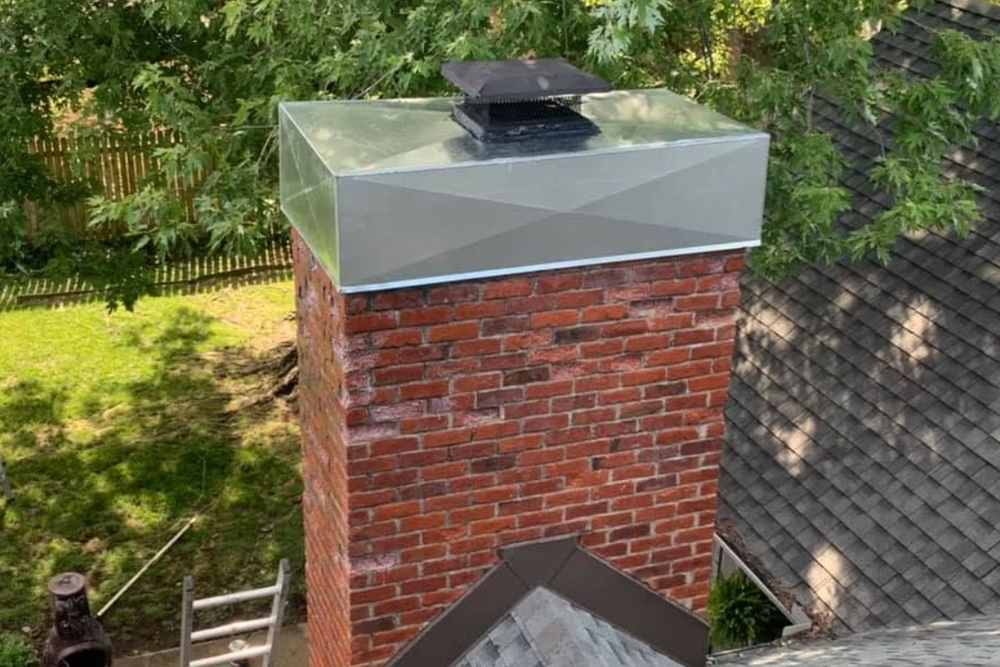
The main fix is a professional chimney cleaning to remove creosote and debris. Also, check for moisture issues and animal activity. A chimney cap helps keep rain and animals out.
Should I clean my chimney in summer if it smells?
Some experts say no. Cleaning in summer can stir up odors and make them worse temporarily. Also, many pros recommend scheduling cleaning at the end of burning season or in early fall.
Client Reviews


If you are in Owasso, Tulsa, or anywhere nearby, Eklund Duct Cleaning offers free estimates. Call or contact the team to schedule a chimney inspection. Then you will know exactly what is causing the smell and how to fix it.