
What Is Creosote and Why Does It Build Up in Chimneys?

Creosote, Chimney Safety & Tulsa-Area Homes
What Homeowners Need to Know About Creosote
Creosote is a tar-like, flammable deposit that forms inside chimneys. It builds up when wood smoke cools and condenses on the flue walls. However, the amount that forms depends on how you burn. Here is what causes creosote and how to manage it.
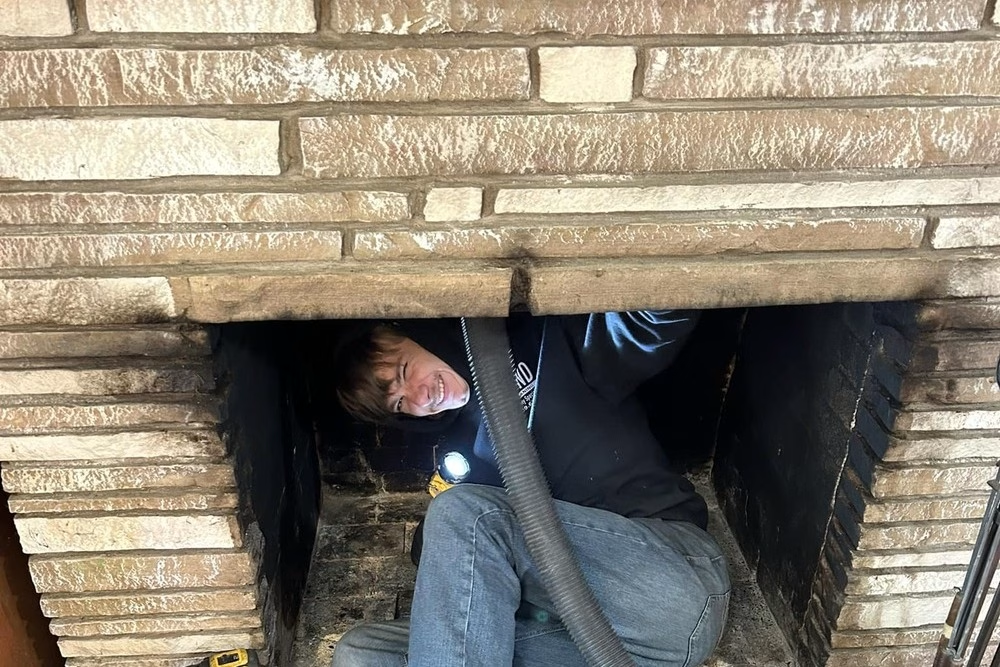

What Is Creosote and Why Does It Build Up in Chimneys? The Basics
Creosote is a natural by-product of burning wood. It contains soot, chemicals, and tar-like particles. Also, it can be black, brown, shiny, or crusty.
It forms when combustion gases cool inside the chimney. Those gases condense on the flue walls. Over time, the deposits grow thicker.
Why Creosote Builds Up: The Main Causes
Several factors drive creosote formation. Here are the most important ones.
Burning Wet or Unseasoned Wood
Wet wood contains a lot of water. That water steals heat from the fire. As a result, the smoke stays cooler and condenses faster. Also, wet wood produces more smoke, which means more creosote.
Cool Chimney Temperatures
A cold flue causes smoke to cool quickly. That leads to more condensation. Therefore, an exterior chimney in winter often builds creosote faster than an interior one.
Restricted Airflow
A fire needs oxygen to burn cleanly. However, closing the damper too much chokes the fire. That leads to incomplete combustion and more smoke. Therefore, always give your fire enough air.
Smoldering Fires
Slow, smoldering fires produce the most creosote. One study found up to 48 times more creosote from smoldering fires compared to hot ones. So, burn hot and bright when you can.
The Three Stages of Creosote Buildup
Creosote comes in three stages. Each stage is harder to remove than the last.
First Degree Creosote
This looks like dark dust or soot. Also, it is the easiest to remove. A standard chimney brush can clear it.
Second Degree Creosote
This forms shiny black flakes. Also, it is harder to remove. Power sweeping tools are usually needed.
Third Degree Creosote
This looks like thick, glossy tar. Also, it is the most dangerous. It is highly flammable and very hard to remove. Third degree creosote often requires chemical treatment or a rotary chain.
Why Creosote Is Dangerous
Creosote is the leading cause of chimney fires. Also, it can cause carbon monoxide to enter your home.
A chimney fire can reach extremely high temperatures. In fact, one study measured flue gas at over 1,100 degrees Celsius. That heat can damage the chimney and ignite your home.
What This Means for Your Home
Knowing about creosote helps you burn safer.
Burn dry wood. Seasoned wood has less than 20% moisture. Also, it burns hotter and cleaner.
Keep fires hot. Avoid long, smoldering fires. Also, do not overload the firebox.
Get annual inspections. A professional can spot creosote before it becomes dangerous. Also, they can remove it safely.
When to Contact a Professional
Reach out to a professional chimney company when:
- You see black, shiny deposits inside the flue
- You smell a strong, tar-like odor
- Smoke enters the room when you burn
- It has been over 12 months since the last cleaning
- You burn more than one cord of wood per season
- You hear a crackling or roaring sound in the chimney
Also, if you smell gas or suspect CO, leave the home. Then call for help from outside.
How Eklund Duct Cleaning Can Help
Eklund Duct Cleaning serves homeowners and businesses throughout the Tulsa area. The team provides air duct cleaning, dryer vent cleaning, and chimney cleaning.
If you are concerned about creosote, Eklund offers free project estimates. Therefore, you can get a professional opinion without committing.
The team brings proper equipment to each job. Customers describe the crew as punctual, tidy, and thorough. Also, they will tell you honestly if cleaning can wait.
For commercial properties, Eklund also handles commercial air duct cleaning and commercial dryer vent cleaning.
Serving Owasso, Tulsa, and Nearby Communities
Eklund Duct Cleaning is based in Owasso, Oklahoma, at 308 E 5th Ave. The team serves homes and businesses in Tulsa, Broken Arrow, Claremore, Bixby, Jenks, Collinsville, Catoosa, Sand Springs, Sapulpa, Skiatook, and Glenpool.
Oklahoma winters bring a long fireplace season. Many homes burn wood from October through March. Because of this, annual cleaning and inspection matters.
Creosote Questions Homeowners Ask
Creosote Basics
What exactly is creosote?
Creosote is a tar-like substance that forms when wood smoke cools inside a chimney. It contains soot, chemicals, and flammable particles. Also, it sticks to the flue walls and builds up over time.
Why does creosote build up more in some homes?
Several factors matter. However, the biggest ones are burning wet wood, cool chimney temperatures, and smoldering fires. Also, a chimney that is too large for the stove can cause more buildup.
How do I know if I have creosote buildup?
Look for black or shiny deposits inside the flue. Also, a strong tar-like smell is a sign. Smoke entering the room is another clue. A professional inspection confirms it.
Safety and Removal
Is creosote dangerous?
Yes. Creosote is highly flammable and is the leading cause of chimney fires. Also, heavy buildup can block the flue. That can push carbon monoxide into your home.
Can I remove creosote myself?
First degree creosote is easy to brush away. However, second and third degree creosote need professional tools. Also, DIY work cannot safely handle heavy deposits.
Client Reviews


If you are in Owasso, Tulsa, or anywhere nearby, Eklund Duct Cleaning offers free estimates. Call or contact the team to schedule a chimney inspection. Then you will know exactly what your chimney needs.