Why Do My Air Vents Smell When the HVAC System Turns On?

HVAC Odors, Duct Health & Indoor Air
What Your Nose Is Telling You About Your HVAC
Air vents smell when the HVAC turns on because something inside the system is releasing odor into the airflow. The most common culprits are mold or mildew growth on the evaporator coil, dust buildup that’s burning off the heat exchanger, or moisture trapped in the ductwork. The smell usually gets worse right at startup because that’s when airflow first pushes through the source. Here’s how to figure out what’s causing yours — and whether it needs air duct cleaning or a different fix.
Short Answer — What the Smell Usually Means
Different smells point to different problems. Here’s a quick guide:
- Musty or mildewy → moisture or mold somewhere in the system
- “Dirty sock” smell → microbial growth on the evaporator coil (common in humid climates like Tulsa)
- Burning or scorched → dust burning off the heat exchanger, or a motor issue
- Rotten eggs → possible gas leak — leave the home and call for help immediately
- Chemical or plastic → new system parts off-gassing or an electrical issue
- Dead animal smell → pest inside the ductwork
- Cigarette or smoke → residue in ducts from previous occupants
Each one has a different fix. Identifying the smell is the first step.
What Kind of Smell Are You Noticing?
Let’s break down the most common odors and what they typically mean.
Musty or Mildewy Smell
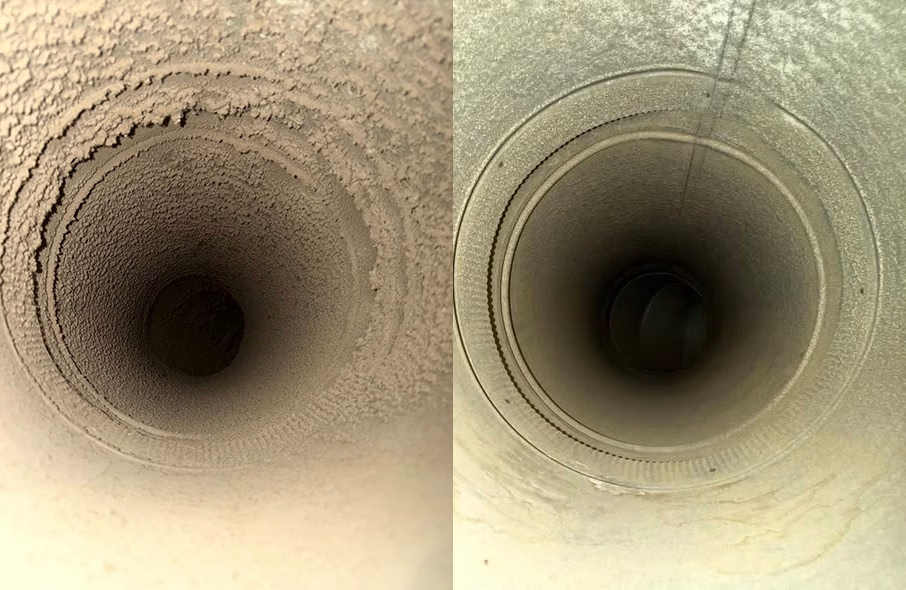
This is the most common complaint. It usually points to mold or mildew growth somewhere in the system — often on the evaporator coil, in the drain pan, or on duct surfaces where condensation has collected.
Tulsa’s summer humidity makes this worse. When the AC runs, the coil stays wet. If the drain pan doesn’t fully empty or the coil stays damp between cycles, mold can grow. Every time the system starts, that smell pushes through your vents.
“Dirty Sock Syndrome”
This is a specific musty odor that comes from microbial growth on the evaporator coil itself. It’s more common in heat pumps than traditional furnaces because the coil stays wet longer. The smell is strongest right when the system switches from heat to cool, or at the start of a cooling cycle.
Burning or Scorched Smell
A slight burning smell on the first startup of heating season is usually harmless. It’s dust burning off the heat exchanger. Run the system for 15 to 30 minutes, and it should clear.
If the smell persists or gets stronger, shut the system off and call a professional. It can signal a motor problem, electrical issue, or debris on the heat exchanger.
Rotten Egg Smell
This is a safety issue. Natural gas and propane have a rotten egg odorant added so you can detect leaks. If you smell this near your HVAC or anywhere in your home:
- Don’t turn anything on or off
- Leave the home immediately
- Call your gas company or 911 from outside
Do not try to investigate the source yourself.
Chemical or Plastic Smell
New HVAC equipment and ductwork sometimes release chemical odors during the first few days of operation. This is usually temporary.
If the smell persists, or if it appears suddenly in an older system, it can point to an electrical problem or an overheated component. Call a professional.
Dead Animal or Pest Smell
Rodents and other pests sometimes get into ductwork and don’t make it out. The smell is unmistakable. This is a case where duct cleaning and pest control both need to be involved.
Why the Smell Is Worst at Startup
You probably notice the smell most when the HVAC first kicks on. That’s not a coincidence.
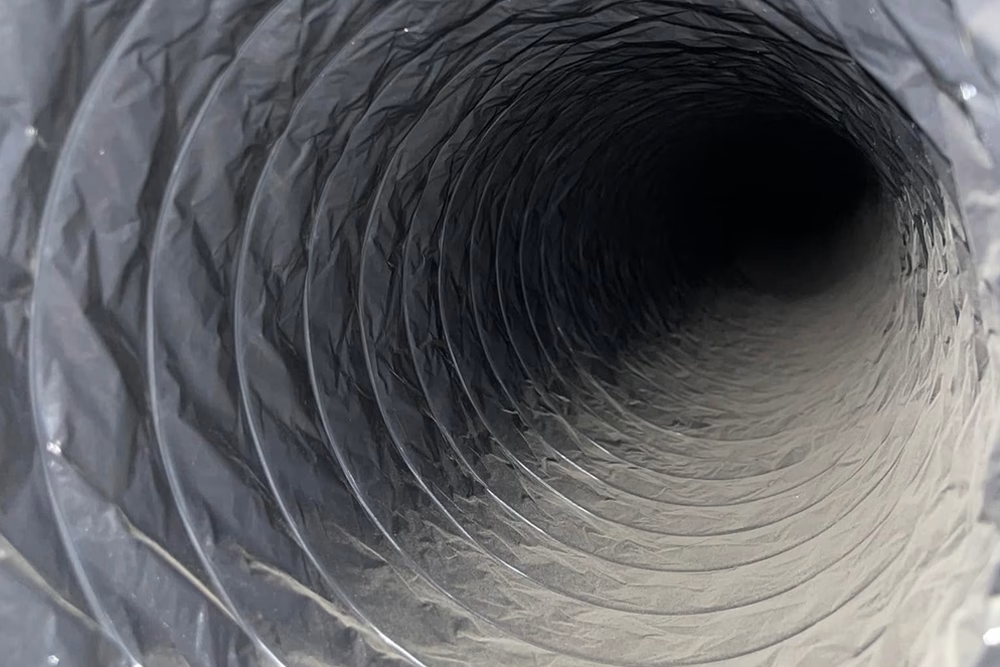
When the system is off, odors build up inside the ductwork and the air handler cabinet. When the blower starts, that trapped air gets pushed into your rooms all at once. Once the initial burst passes, the smell often fades — until the next cycle.
This pattern is a strong clue that the source is inside the system, not in your home’s air.
Common Causes and What to Do About Each
Here’s a quick reference:
- Mold or mildew in the system — needs professional cleaning and moisture control. Cleaning alone won’t fix it if the underlying moisture issue stays.
- Dust on the heat exchanger — run the system 15–30 minutes. If it clears, no action needed. If it persists, call a technician.
- Clogged condensate drain — the drain pan overflows or stays wet, feeding mold growth. A technician can clear the drain and check the pan.
- Dirty evaporator coil — common in Tulsa’s humid climate. Coil cleaning is often the fix, though in some cases duct cleaning helps too.
- Pest inside ducts — needs pest control first, then duct cleaning to remove debris and odor sources.
- Gas leak — evacuate and call for help. Not a DIY situation.
When to Call a Professional
Call a professional when:
- The smell is musty, mildewy, or like dirty socks
- The smell returns even after running the system for 30 minutes
- You see visible mold or moisture inside the system
- You notice the smell in multiple rooms, not just one
- You’ve had water damage, a leak, or high humidity near the HVAC
- You smell gas (leave first, call from outside)
- Someone in your home has respiratory symptoms that seem linked to the smell
A trained technician can locate the source, check moisture levels, and tell you whether you need duct cleaning, coil cleaning, or both.
How Eklund Duct Cleaning Can Help
Eklund Duct Cleaning serves homeowners and businesses throughout the Tulsa area with professional air duct cleaning, dryer vent cleaning, and chimney cleaning.
If your vents smell musty or mildewy when the HVAC turns on, Eklund Duct Cleaning offers free project estimates. That means you can get a professional inspection without committing to work you may not need.
The team brings HVAC background and proper containment equipment to each job. Customers describe the crew as punctual, tidy, and thorough. For commercial properties, Eklund also handles commercial air duct cleaning and commercial dryer vent cleaning.
Serving Owasso, Tulsa, and Nearby Communities
Eklund Duct Cleaning is based in Owasso, Oklahoma, at 308 E 5th Ave. The team serves homes and businesses in Tulsa, Broken Arrow, Claremore, Bixby, Jenks, Collinsville, Catoosa, Sand Springs, Sapulpa, Skiatook, and Glenpool.
Tulsa’s humid summers make moisture-related odors more common here than in drier climates. If your home has been smelling musty during cooling season, a local inspection can identify the source.
Vent Odor Questions Homeowners Ask
Why do my air vents smell when the HVAC turns on?
The most common causes are mold or mildew growth on the evaporator coil, dust burning off the heat exchanger, or moisture trapped in the ductwork. The smell is strongest at startup because trapped air gets pushed into your rooms. Identifying the specific smell helps narrow down the cause.
What is “dirty sock syndrome”?
It’s a musty odor caused by microbial growth on the evaporator coil. The name comes from the smell, which resembles dirty laundry. It’s more common in heat pumps and in humid climates like Tulsa. Cleaning the coil and correcting moisture issues usually resolves it.
Is a burning smell from vents dangerous?
A slight burning smell on the first startup of heating season is usually harmless dust burning off. If the smell persists, gets stronger, or comes with smoke, shut off the system and call a professional. It could signal a motor or electrical issue.
Can duct cleaning remove odors from my vents?
Duct cleaning can remove dust, debris, and microbial growth that cause odors. But if the source is a clogged drain, a dirty evaporator coil, or an active moisture problem, cleaning alone won’t fix it. The underlying cause needs to be addressed.
When should I worry about a smell from my vents?
Call a professional if the smell is musty, mildewy, or like dirty socks; if it returns after running the system; or if you see visible mold. If you smell gas (rotten eggs), leave the home and call your gas company or 911 immediately.
Client Reviews


If you’re in Owasso, Tulsa, or anywhere in the surrounding area and your air vents smell when the HVAC turns on, Eklund Duct Cleaning offers free estimates. Call or contact the team to schedule an inspection and find out what’s causing the odor — no guessing, no pressure.