
Why Is There So Much Dust Coming From My Air Vents?

Dust, Vents & Indoor Air in Tulsa Homes
Tracking Down the Source of Vent Dust
Dust coming from air vents is usually a sign of one of three things: a clogged or wrong-sized HVAC filter, leaky or disconnected ductwork, or heavy dust buildup inside the ducts themselves. Most homeowners assume air duct cleaning is the only fix. But the filter is often the real culprit. Here’s how to figure out which one is causing the problem in your Owasso or Tulsa home — and what to do about it.
Short Answer — The Three Most Likely Causes
When you see dust coming from air vents, the source usually falls into one of these categories:
- A clogged or wrong-sized filter — the most common cause by far
- Leaky, disconnected, or damaged ductwork — pulling dust in from attics, crawlspaces, or wall cavities
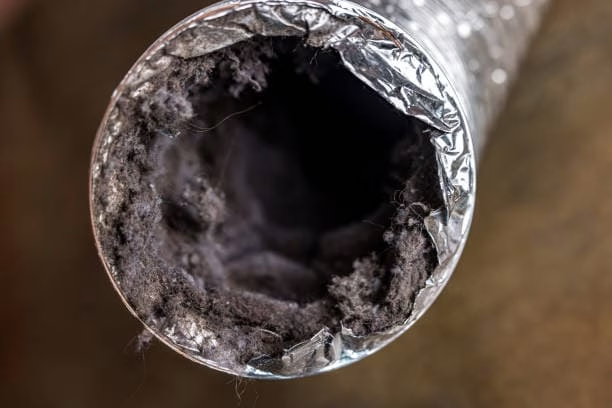
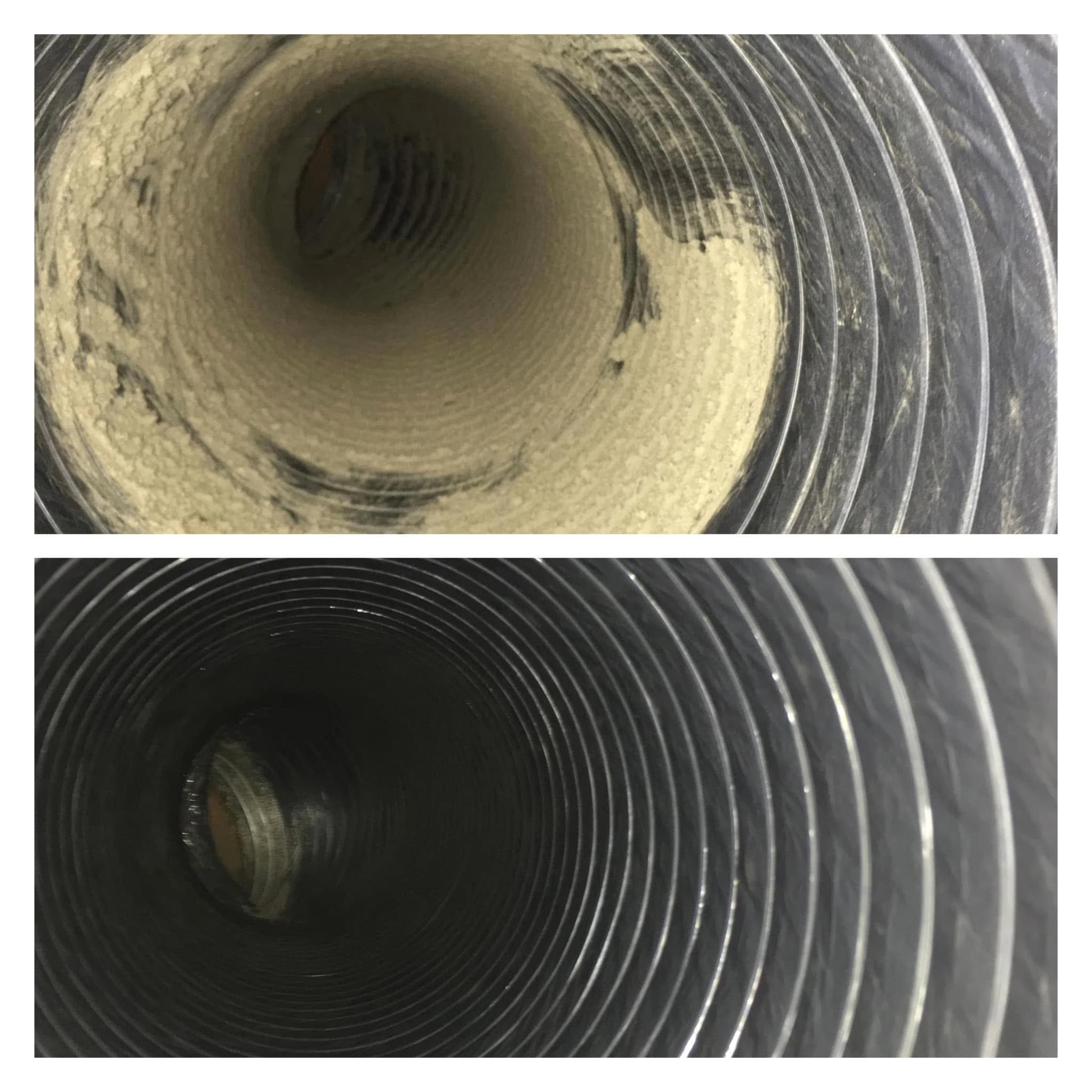
- Heavy debris buildup inside the ducts — releasing particles when the system runs
If the filter is clean and correctly sized but you still see dust puffs, the problem is likely in the duct system itself. That’s when a professional inspection makes sense.
Start With the Filter — Before Anything Else
Before assuming your ducts are the problem, check the filter. It’s the cheapest, fastest fix and it resolves most dust complaints.
Signs the filter is the problem:
- It’s visibly gray, clogged, or matted
- You can’t remember the last time you changed it
- It’s the wrong size and doesn’t seat properly in the slot
- Light passes through unevenly when you hold it up
A filter that’s too small lets unfiltered air bypass it. That air carries dust straight into your ductwork and out your vents. Change the filter, run the system for a day, and see if dust puffs continue. If they do, move on to the next step.
Common Reasons Dust Is Coming From Your Air Vents
If the filter is fine, here’s what else might be causing the problem:
1. Leaky or disconnected ductwork
Ducts run through attics, crawlspaces, and wall cavities. If a joint comes loose or a section tears, the system pulls in dust from those spaces instead of from your home. That dust travels through the ducts and blows out your vents.
2. Return duct leaks near the air handler
The return side of the system operates under negative pressure. Any gap near the air handler pulls unfiltered air into the system before it reaches the filter. This is a common issue in older Tulsa-area homes.
3. Heavy buildup inside supply ducts
Over time, ducts collect dust, pet dander, and pollen. Most of it sticks to the duct walls. But when the system runs hard — or when debris gets disturbed during maintenance or renovation — some of that material breaks free and blows into your rooms.
4. Recent renovation or construction
Drywall dust, sawdust, and fine debris find their way into ductwork even with plastic barriers in place. If you’ve had work done in the last few months, this is a strong candidate.
5. Return grille clogged with debris
Return grilles and the filter slot get dirty naturally. But if a return is fully clogged — with dust, pet hair, or a forgotten filter — the system pulls air from elsewhere, which often means unfiltered gaps.
How to Tell Which One You’re Dealing With
Try this quick diagnostic before calling anyone:
- Watch the vents when the system starts. Dust puffs at startup suggest buildup inside the ducts.
- Check every return grille. If one is clogged, that’s your answer.
- Look in the attic or crawlspace. If you can safely access those spaces, look for disconnected duct sections.
- Note the timing. Dust after a renovation points to construction debris. Dust that gets worse over months suggests slow buildup or a leak.
- Check the filter slot. A gap around the filter lets air bypass it, which pulls dust into the system.
If two or more of these check out positive, you’re likely dealing with a duct system issue rather than a filter issue.
When to Call a Professional
Call a professional for an inspection when:
- You’ve replaced the filter and dust still blows from the vents
- You notice dust puffs at every supply vent
- You suspect leaky or disconnected ductwork
- There’s been a renovation, water damage, or pest problem
- Someone in your home has allergies that seem worse indoors
- You can’t safely access the attic or crawlspace to inspect ducts
A trained technician can inspect the system with a camera, check duct integrity, and tell you whether cleaning is needed — or whether the issue is elsewhere.
What the EPA Says About Duct Dust
The EPA recommends cleaning air ducts only when there’s visible mold growth, pest infestation, or substantial debris that’s clogging the system. The agency also states that most dust inside ducts sticks to the duct walls rather than blowing into living spaces.
That doesn’t mean duct cleaning is never the answer. It means the problem should be diagnosed before assuming cleaning is the fix. If the dust is coming from a filter issue or a duct leak, cleaning alone won’t solve it.
How Eklund Duct Cleaning Can Help
Eklund Duct Cleaning serves homeowners and businesses throughout the Tulsa area with professional air duct cleaning, dryer vent cleaning, and chimney cleaning.
If dust is blowing from your vents and the filter isn’t the issue, Eklund Duct Cleaning offers free project estimates. That means you can get a professional inspection without committing to a service you may not need.
The team brings HVAC background and proper containment equipment to each job. Customers describe the crew as punctual, tidy, and thorough. For commercial properties, Eklund also handles commercial air duct cleaning and commercial dryer vent cleaning.
Serving Owasso, Tulsa, and Nearby Communities
Eklund Duct Cleaning is based in Owasso, Oklahoma, at 308 E 5th Ave. The team serves homes and businesses in Tulsa, Broken Arrow, Claremore, Bixby, Jenks, Collinsville, Catoosa, Sand Springs, Sapulpa, Skiatook, and Glenpool.
Tulsa’s climate can make dust problems worse. Spring pollen, red dirt carried on the wind, and dry summer spells all add particles to the air. If your home is showing more dust than usual, a local assessment can help identify the cause.
Vent Dust Questions Homeowners Ask
Why is there so much dust coming from my vents?
The most common causes are a clogged or wrong-sized HVAC filter, leaky or disconnected ductwork, or heavy dust buildup inside the ducts. Start by checking the filter. If it’s clean and correctly sized, the issue is likely in the duct system itself.
Can dirty air ducts cause dust in the house?
Sometimes. Most dust inside ducts sticks to the duct walls and doesn’t enter living spaces. But when there’s heavy buildup, a duct leak, or recent renovation debris, ducts can contribute to household dust. The EPA recommends cleaning when there’s visible contamination.
Will changing my filter stop the dust?
Often, yes. A clogged or wrong-sized filter is the most common cause of dust blowing from vents. Change it and run the system for a day. If dust puffs continue, the problem is likely inside the duct system.
How do I know if my ducts have a leak?
Signs include dust puffs at vents after a filter change, higher energy bills, uneven room temperatures, and visible gaps at duct joints in the attic or crawlspace. A professional inspection with a camera can confirm leaks you can’t see.
Is it worth cleaning my ducts for dust?
It’s worth it when the ducts are the actual source — visible buildup, leaks pulling in debris, or post-renovation contamination. If the filter or another issue is causing the dust, cleaning alone won’t fix it. That’s why an inspection comes first.
Client Reviews


If you’re in Owasso, Tulsa, or anywhere in the surrounding area and dust keeps coming from your air vents, Eklund Duct Cleaning offers free estimates. Call or contact the team to schedule an inspection and find out what’s really causing the problem — no guessing, no pressure.